
- Home/
- Buy Furosemide at Low Price in the United States Today
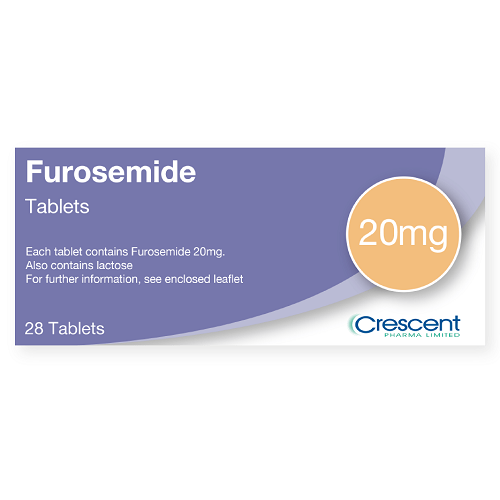
Furosemide in the United States: Complete Medical Guide for Safe and Effective Use
Quick Summary: Key Facts About Furosemide
- Active Ingredient: Furosemide (loop diuretic)
- Main Uses: Treatment of edema (swelling), heart failure, liver disease, kidney dysfunction, and hypertension
- Prescription Status: Prescription required in the United States (illegal to obtain without authorization)
- Onset of Action: Oral: 30–60 min; IV: within 5 min
- Peak Effect: 1–2 hours after dose
- Duration: 6–8 hours (oral); 2 hours (IV)
- Most Common Side Effects: Frequent urination, electrolyte disturbances, dehydration, low blood pressure
- Cost: $4–$20/month (generic, with insurance; may vary by pharmacy and city)
- US Regulatory Authority: Food and Drug Administration (FDA)
Can You Obtain Furosemide Without a Prescription in the US?
No, you cannot legally obtain Furosemide without a valid prescription from a licensed healthcare provider in the United States. Federal and state laws prohibit the dispensing and purchase of prescription medications, including Furosemide, without medical authorization. Doing so risks counterfeit products, legal penalties, and severe health consequences.
How Does Furosemide Work? Scientific Insights & Simplified Explanation
Expert Commentary:
Furosemide is a loop diuretic, a class of medications that acts on the kidneys to increase urine production and eliminate excess fluid from the body. It specifically inhibits the Na-K-2Cl symporter in the thick ascending limb of the loop of Henle (part of the nephron in the kidney) [1].
This action blocks the reabsorption of sodium and chloride, leading to increased excretion of water, sodium, chloride, potassium, calcium, and magnesium. As a result, Furosemide rapidly reduces edema (swelling) caused by heart failure, liver cirrhosis, or renal disease, and lowers blood pressure by decreasing blood volume [2].
In plain English: Imagine your kidneys as a set of water filters. Furosemide turns up the output, helping your body get rid of extra water and salt. That’s why you’ll urinate more often after taking it—and why it’s so effective for swelling and fluid overload.
Note: The medication does not treat the underlying cause (e.g., heart failure or kidney disease); it primarily addresses the symptom of fluid overload.
How to Take Furosemide: Dosage, Administration, and Duration
| Indication | Typical Starting Dose (Adults) | Maximum Daily Dose | Special Notes |
|---|---|---|---|
| Edema (heart, liver, kidney) | 20–80 mg orally once daily, may be increased in 20–40 mg increments | 600 mg/day (rare; only under strict hospital supervision) | Adjust dose based on response; use lowest effective dose |
| Hypertension | 40 mg orally twice daily | 80 mg/day | Not usually first-line for blood pressure alone |
| Acute pulmonary edema (IV route) | 40 mg IV, may repeat or increase as needed | 200 mg/dose | Hospital setting only |
Commentary: Always take Furosemide as prescribed by your healthcare provider. Do not increase, decrease, or skip doses without medical advice. Taking more than prescribed increases risk of dangerous dehydration and electrolyte imbalances. Tablets can be split if scored; check with your pharmacist if uncertain. Elderly patients and those with kidney or liver impairment will often require lower starting doses and close monitoring.
Peak effect: One to two hours after oral administration. Expect increased urination within 30–60 minutes. The effect lasts 6–8 hours.
Avoid taking late in the evening to minimize nighttime bathroom trips.
Interactions with Food, Alcohol, and Lifestyle Factors
- Should Furosemide be taken with food?
- It can be taken with or without food, but taking it with food may delay absorption slightly. If you experience stomach upset, take with a light meal.
- Does grapefruit juice impact Furosemide?
- No clinically significant interaction is reported. However, always inform your doctor about all foods and beverages consumed regularly.
- Can I drink alcohol while on Furosemide?
- Alcohol can worsen dehydration and blood pressure drops. It is generally advised to limit or avoid alcohol during Furosemide therapy. If consumed, do so with caution and under your provider’s guidance.
- Can I continue my normal level of physical activity?
- Yes, but monitor for signs of dehydration. Exercise in hot weather may increase fluid loss—drink water as recommended by your physician.
Who Should Not Take Furosemide? Contraindications and Red Flags
- Absolute Contraindications (Never Use):
- Allergy to Furosemide or sulfonamide-derived drugs
- Anuria (complete inability of kidneys to produce urine)
- Severe electrolyte imbalance (e.g., dangerously low potassium or sodium)
- Hepatic coma or pre-coma states (liver failure)
- Relative Contraindications (Use with Caution):
- Dehydration or low blood pressure
- Gout (may increase uric acid levels)
- Diabetes (may affect blood sugar control)
- Pregnancy and breastfeeding (use only if benefits clearly outweigh risks)
- Kidney or liver impairment (dose adjustments required)
- Use with other ototoxic drugs (increased risk of hearing loss)
Medicine Interactions to Avoid: Furosemide should not be taken with aminoglycoside antibiotics (e.g., gentamicin), lithium, or certain blood pressure medications unless monitored by a physician. Use with NSAIDs can reduce its effectiveness.
Why: Severe electrolyte loss can cause arrhythmias, confusion, or even death. Certain drug combinations can intensify kidney or hearing damage.
What Side Effects Are Most Common with Furosemide?
- Very Common (>1/10):
- Frequent urination
- Low potassium (hypokalemia)
- Low sodium (hyponatremia)
- Dizziness or lightheadedness (especially on standing)
- Common (1/10 – 1/100):
- Muscle cramps
- Dehydration
- High blood sugar (hyperglycemia)
- Increased uric acid (may trigger gout)
- Headache
- Rare or Very Rare:
- Ringing in the ears, hearing loss (usually with high doses or IV use)
- Pancreatitis
- Severe allergic reactions
- Kidney dysfunction or failure
- Blood disorders (thrombocytopenia, leukopenia)
What to watch for: Signs of low potassium (muscle weakness, irregular heartbeat), confusion, persistent vomiting, hearing changes, or severe allergic reactions (swelling, rash, difficulty breathing) require immediate medical attention.
Furosemide vs. Alternatives: Which Is Right for You?
| Medication | Onset of Action (oral) | Duration | Main Use | Common Side Effects | Price (monthly, generic) |
|---|---|---|---|---|---|
| Furosemide | 30–60 min | 6–8 hours | Edema, heart failure, kidney/liver disease, hypertension | Electrolyte disturbances, dehydration, hearing issues (rare) | $4–$20 |
| Bumetanide | 30–60 min | 4–6 hours | Edema (heart failure, kidney disease) | Similar to Furosemide | $10–$45 |
| Torasemide (Torsemide) | 60 min | 12–16 hours | Edema, hypertension | Similar to Furosemide, less frequent urination | $15–$60 |
| Hydrochlorothiazide (not a loop diuretic) | 2 hours | 6–12 hours | Mild edema, hypertension | Hyponatremia, potassium loss | $5–$15 |
Summary: Furosemide is often preferred when rapid, significant fluid loss is needed. Bumetanide is more potent per milligram, and torasemide offers a longer effect, potentially with fewer bathroom trips. Choice depends on clinical situation, insurance coverage, and provider preference.
Furosemide: Key Characteristics at a Glance
| Formulations | Tablets (20 mg, 40 mg, 80 mg), oral liquid, injectable (IV/IM) |
| Typical Dosing Range | 20–80 mg daily, individualized |
| Half-life | 1–2 hours (in healthy adults) |
| Metabolism | Partially hepatic (liver); excreted by kidneys (80% unchanged) |
| Dispensing | Prescription only; available at all major US pharmacies |
| Insurance Coverage | Usually covered by Medicare, Medicaid, and most private plans |
How to Obtain Furosemide Legally in the United States: Step-by-Step
- Consult a healthcare provider: Schedule an appointment with your primary care physician or a specialist (such as a cardiologist or nephrologist) in your city.
- Complete evaluation: Discuss your symptoms and medical history. Diagnostic tests (blood, urine, imaging) may be required to confirm the need for Furosemide.
- Receive a prescription: If appropriate, your provider will issue an electronic or paper prescription.
- Choose a pharmacy: Fill your prescription at a licensed US pharmacy—retail chains, independent pharmacies, or mail-order services are available. Many insurance plans offer preferred providers.
- Follow-up: Monitor for effectiveness and side effects. Schedule lab work as directed. Never adjust your dose without discussing it first.
- Telemedicine option: In many US states, online video or phone appointments with certified providers can result in prescriptions for Furosemide, delivered to your local pharmacy or via legitimate mail-order services. Ensure the telehealth service is licensed in your state.
Insurance note: Most commercial, Medicare, and Medicaid plans in the US cover generic Furosemide, often for a modest copay. Check your plan’s formulary or ask your pharmacist for details.
Is Buying Furosemide Online Legal and Safe in the US?
Only purchase Furosemide from US-licensed pharmacies that require a valid prescription. The FDA warns that many online sites selling prescription drugs without a prescription are illegal and may provide counterfeit or unsafe products.
- Verify online pharmacies via the NABP Digital Pharmacy Accreditation or look for the “VIPPS” seal.
- Avoid sites offering Furosemide at suspiciously low prices or without prescription requirements—these are likely illegal and could result in legal or health risks.
- US Customs may seize unauthorized shipments; you may also face criminal penalties for importing prescription drugs without authorization.
Bottom line: The prescription requirement is a safeguard for your health, ensuring proper evaluation and reducing the risk of dangerous self-medication.
How to Identify Counterfeit Furosemide and Ensure Quality
- Original packaging: US-approved Furosemide generics and brands arrive in sealed blister packs or pharmacy-labeled bottles with clear, legible printing. Check the manufacturer’s name, lot number, and expiration date.
- Tablet appearance: Genuine tablets are typically white, oval or round, and may be scored. Look for standard imprints (e.g., “Lasix 40” or generic NDC codes). Consult the FDA’s Pill Identifier if uncertain.
- Security features: Some manufacturers use QR codes, holograms, or tamper-evident seals. If these are missing (or packaging seems poor quality), be suspicious.
- Generics: Most Furosemide in the US is generic—and that’s usually safe and effective. Generics must meet FDA standards for quality, safety, and bioequivalence. Inactive excipients may differ, potentially affecting those with allergies. Ask your pharmacist if you have concerns.
- Unusually low prices: If the cost seems far below the typical $4–$20/month, it may be fake or diverted from unsafe sources.
Furosemide Use in Special Populations: Elderly, Pregnancy, and More
The elderly are more susceptible to side effects from Furosemide—especially dehydration, kidney injury, and falls from low blood pressure. Lower starting doses and frequent lab monitoring are advised.
Furosemide is not generally recommended in pregnancy except when clearly needed (e.g., life-threatening pulmonary edema), due to potential risks to fetal development. It may enter breast milk; infants can experience dehydration and electrolyte imbalance. Discuss all risks with your provider if you are pregnant or breastfeeding.
People with diabetes may see changes in blood sugar and should monitor levels closely. Those with liver or kidney impairment need tailored dosing and more frequent laboratory tests.
Caution is warranted in individuals with a history of gout, as Furosemide increases uric acid. It does not typically affect fertility, but severe electrolyte disturbances may cause menstrual changes or impotence.
Pharmacokinetics: Absorption, Metabolism, and Elimination
Furosemide is rapidly absorbed from the gastrointestinal tract, though the exact amount can vary (bioavailability ranges from 50–70%). It begins working within 30–60 minutes orally, and within minutes if given by IV. Only about half is metabolized by the liver; the rest is excreted unchanged by the kidneys.
Half-life is 1–2 hours in healthy adults but may be prolonged in those with kidney or liver dysfunction. The drug’s effect ends when its concentration in blood falls, but the risk for dehydration and electrolyte imbalance can persist longer.
Key point: Those with impaired kidney function may require dose adjustments and slower titration. Your doctor will monitor your labs closely.
Overdose: What to Do in an Emergency
- Stop taking Furosemide immediately.
- Call 911 or your local emergency number.
- Give the medical team your medication bottle and tell them the amount and timing of the last dose.
- Symptoms of overdose may include confusion, fainting, rapid or irregular heartbeat, extreme thirst, muscle cramps, or hearing changes.
- Do not attempt to self-treat. Rapid medical intervention is required to restore electrolyte balance and support vital functions.
Frequently Asked Questions about Furosemide in the United States
- Can Furosemide be used daily?
- Yes, many patients use it daily for chronic conditions, but only under medical supervision due to the risk of side effects and the need for monitoring.
- What should I do if I miss a dose?
- Take it as soon as you remember, unless it’s almost time for your next dose. Never double up. Call your provider for advice if you miss doses frequently.
- How soon does Furosemide start working?
- Oral Furosemide generally starts working within 30–60 minutes; IV within 5 minutes. Urination increases quickly after dosing.
- Can I stop Furosemide suddenly?
- No. Stopping abruptly can result in fluid buildup and worsening symptoms. Always taper under your doctor’s guidance.
- Is it safe to take Furosemide with other blood pressure medications?
- Often, yes, but only under a provider’s supervision. Some combinations require close monitoring to avoid dangerously low blood pressure or kidney effects.
- Does insurance cover Furosemide?
- Usually yes, especially for generic versions. Coverage varies by plan—check with your pharmacy or insurer for details.
- How can I find a qualified specialist for edema treatment in the US?
- Consult a board-certified internist, cardiologist, or nephrologist. Major hospitals in most US cities have specialists; your primary care provider can refer you.
References
-
Food and Drug Administration. “Furosemide: Drug Approval Package.” FDA.gov. Accessed 2026.
FDA Furosemide Approval -
National Institutes of Health. “Furosemide.” MedlinePlus. Updated 2026.
MedlinePlus: Furosemide -
National Library of Medicine. “Loop Diuretics: Mechanisms and Clinical Use.” PubMed. 2025.
PubMed: Loop Diuretics -
American Heart Association. “Diuretics: Types, Side Effects, and Risks.” Heart.org. Accessed 2026.
AHA: Diuretics -
American Society of Health-System Pharmacists. “Furosemide: Drug Information.” ASHP. Updated 2026.
ASHP: Furosemide