
- Home/
- Buy Ivermectin in Online Pharmacy for Fast Delivery in United States
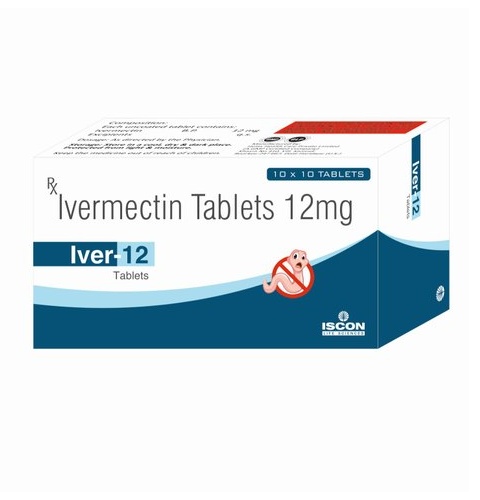
Ivermectin in the United States: Safe Use, Prescription Process, and Expert Guidance
Can Ivermectin Be Purchased Without a Prescription in the United States?
No, Ivermectin is a prescription-only medication in the United States. It is illegal and unsafe to obtain it without a valid prescription from a licensed healthcare provider. Only authorized doctors, nurse practitioners, or similar prescribers can legally provide a prescription after evaluating your health and clinical need.
Summary: Key Takeaways About Ivermectin
- Active Ingredient: Ivermectin (antiparasitic agent)
- Main Uses: Treatment of parasitic infections (e.g., strongyloidiasis, onchocerciasis, scabies, lice)
- Onset of Action: Symptoms typically improve within 1–2 days after administration (depends on infection type)
- Prescription Requirement: Mandatory in the United States
- Main Contraindication: Known allergy to Ivermectin or any tablet ingredient
- Pregnancy & Children: Use only if specifically recommended by a physician
- Price Range (2026): $2–$10 per tablet (generic); brand products may be higher
How Does Ivermectin Work at the Molecular Level?
Ivermectin is an antiparasitic agent that targets the glutamate-gated chloride channels found in nerve and muscle cells of many invertebrates. By binding to these channels, Ivermectin increases the influx of chloride ions, leading to hyperpolarization and paralysis, which ultimately kills the parasite.
Humans do not naturally have glutamate-gated chloride channels, which explains Ivermectin’s selective toxicity. Human GABA-gated channels are present mainly in the central nervous system, and are protected by the blood-brain barrier under normal conditions. However, overdosing or certain rare genetic conditions may compromise this safety margin.
Simple metaphor: Imagine the parasite as a computer, and Ivermectin as a hacker that locks up its operating system, freezing all functions until it shuts down. For humans, the drug bypasses our usual “software,” so side effects are rare—unless the system is compromised.
Recent studies (2023–2024) confirm Ivermectin’s mechanism and safety profile for FDA-approved indications.
FDA,
PubMed
Expert Commentary from doctor
As a physician who regularly prescribes Ivermectin, I’ve seen recurring misunderstandings among patients. Many believe higher doses yield faster results—this is not true and increases risk of side effects, especially in individuals with liver impairment. Another common mistake: using Ivermectin for conditions it doesn’t treat (like viral infections not approved by the FDA). It’s essential to use the medication strictly for diagnosed parasitic infections and never share tablets, even within families, as dosing is weight-based and varies by age, infection, and health status. Always complete the full prescribed course, even if symptoms improve earlier, to prevent incomplete eradication and resistance. Careful adherence to these principles drastically reduces complications and ensures successful outcomes.
How Should Ivermectin Be Taken? (Dosing and Duration)
| Condition | Standard Adult Dose | Maximum Dose (per day) | Course Duration |
|---|---|---|---|
| Strongyloidiasis (intestinal roundworm) | Single dose of 200 mcg/kg | 200 mcg/kg | 1 day (may repeat in 2 weeks) |
| Onchocerciasis (river blindness) | Single dose of 150 mcg/kg | 150 mcg/kg | Repeat every 6–12 months as needed |
| Scabies | 200 mcg/kg, repeat in 7–14 days | 200 mcg/kg | 2 doses |
| Head lice | 200 mcg/kg, may repeat in 7 days | 200 mcg/kg | 1–2 doses |
How to take: Take Ivermectin on an empty stomach with water, unless your prescriber recommends otherwise. Avoid splitting or crushing the tablet unless specifically instructed; most Ivermectin tablets are not designed to be split.
Time to peak effect: Blood plasma levels peak within 4–5 hours. Clinical effect is usually noticed within 24–48 hours, depending on the infection.
Maximum daily dose: Never exceed 200 mcg/kg in one day unless under direct medical supervision.
Special patient groups: Lower dosing or increased monitoring may be required in elderly patients or those with liver disease.
Missed dose: Take as soon as remembered, unless it’s almost time for the next dose. Do not double up.
Does Food, Alcohol, or Grapefruit Affect Ivermectin?
- Food:
- Taking Ivermectin with a fatty meal increases absorption, but may also raise the risk of side effects. For most indications, take on an empty stomach (1 hour before or 2 hours after food) to ensure predictable absorption.
- Alcohol:
- Alcohol does not directly interact with Ivermectin at moderate doses, but both are metabolized in the liver. Heavy drinking can increase side effect risks (dizziness, liver toxicity). Avoid heavy alcohol use during treatment.
- Grapefruit juice:
- Grapefruit inhibits CYP3A4, an enzyme that breaks down Ivermectin. While no severe interactions have been reported, it is advisable to avoid grapefruit products during the treatment period for safety.
Myth: Ivermectin can be taken with any food or drink.
Reality: Food, especially fatty meals, can increase both absorption and side effect risks. Follow your doctor’s instructions on timing.
Who Should Not Take Ivermectin? (Absolute and Relative Contraindications)
| Type | Contraindication | Reason |
|---|---|---|
| Absolute | Known allergy to Ivermectin or excipients | Risk of anaphylaxis, severe allergic reactions |
| Absolute | Children under 15 kg (approx. 33 lbs) | Insufficient safety data |
| Relative | Liver impairment | Slower metabolism, increased toxicity risk |
| Relative | Pregnancy (especially first trimester) and breastfeeding | Potential fetal/neonatal risk; use only if benefit outweighs risk |
| Relative | Severe asthma, meningitis, Loa loa infection | Risk of severe reactions or CNS penetration |
Cardiovascular risk: No direct interaction, but severe allergic reactions may cause low blood pressure.
Recent stroke or brain injury: Use only under specialist supervision, as blood-brain barrier may be compromised.
What Side Effects Are Most Common with Ivermectin?
| Frequency | Possible Side Effects | Why They Occur |
|---|---|---|
| Very common (>1 in 10) | Headache, dizziness, mild nausea, muscle aches | Parasite die-off reactions, direct mild CNS effects |
| Common (1 in 100 – 1 in 10) | Skin rash, itching, diarrhea, mild swelling of lymph nodes | Immune response to dying parasites |
| Rare (1 in 1000 – 1 in 100) | Blurred vision, low blood pressure, joint pain | Systemic inflammatory response |
| Very rare (<1 in 10,000) | Seizures, severe skin reactions, hepatotoxicity | Genetic/metabolic predisposition or overdose |
What to do if you experience side effects:
- Mild symptoms: Observe, hydrate, and notify your prescriber if persistent.
- Serious symptoms (e.g., swelling of face or throat, severe rash, persistent vomiting): Stop taking Ivermectin and seek immediate medical attention (call 911 or go to the nearest ER).
Common Patient Mistakes Observed by doctor
- Taking the wrong dose: Patients sometimes estimate their own weight or use doses intended for animals. Always use the exact weight-based dose prescribed for you.
- Using leftover tablets: Sharing or reusing tablets for new infections risks incorrect dosing and resistance. Each infection requires a fresh evaluation.
- Not completing the course: Stopping early because symptoms improve may allow parasites to persist or return.
- Combining with alcohol or other drugs: Some assume “natural” means “harmless.” In reality, alcohol and some medications can stress the liver and increase side effects.
- Purchasing from unverified sources: Counterfeit or veterinary formulations may not be safe for human use and can be contaminated or improperly dosed.
How to avoid these mistakes: Only take Ivermectin as directed by your licensed healthcare provider. Always fill prescriptions at a verified pharmacy, and never share medications.
Ivermectin vs Alternatives: How Do They Compare?
| Drug | Main Indications | Onset Speed | Duration of Effect | Common Side Effects | Price per Tablet (USD, 2026) |
|---|---|---|---|---|---|
| Ivermectin | Parasitic worms, scabies, lice | 24–48 hours | 1–2 weeks (with repeat dosing as needed) | Headache, dizziness, mild rash | $2–$10 (generic) |
| Albendazole | Roundworms, hookworms, tapeworms | 48–72 hours | Up to 3 weeks | Abdominal pain, elevated liver enzymes | $5–$12 |
| Mebendazole | Pinworm, whipworm, hookworm | 24–72 hours | 1–2 weeks | GI upset, rare rash | $8–$16 |
| Permethrin (topical) | Scabies, lice | Several hours | Reapply after 7 days if needed | Skin irritation, redness | $5–$20 per tube |
Bottom line: Ivermectin is generally less expensive for many parasitic infections, works quickly, and is well-tolerated. However, certain worms or resistant infestations may require alternatives or combination therapy.
Questions Frequently Asked to doctor
- Is it safe to take Ivermectin if I have liver problems?
- Only under careful medical supervision. The liver processes Ivermectin, so impaired function increases risk of toxicity. Dose adjustments or alternative treatments may be necessary.
- What should I do if I miss a dose?
- Take the missed dose as soon as you remember unless it is almost time for your next scheduled dose. Never double up doses; contact your provider if unsure.
- Can Ivermectin be used long-term?
- Long-term use is generally not recommended except in rare chronic cases, and only with specialist oversight. Most courses are single-dose or repeated only once.
- Does Ivermectin interact with common medications?
- Ivermectin may interact with certain blood thinners, anticonvulsants, and immunosuppressants. Always disclose all medications to your healthcare provider before starting Ivermectin.
- Is it safe to drink alcohol while taking Ivermectin?
- Moderate alcohol is unlikely to cause major problems, but it is best to avoid alcohol to reduce the load on your liver and minimize side effect risk.
- Can children take Ivermectin?
- Ivermectin is not recommended for children under 15 kg (about 33 lbs) without specialist approval. Dosing in children should always be calculated by a physician.
- Can Ivermectin cause allergic reactions?
- Yes, as with any medication, allergic reactions are possible. Signs include rash, swelling, or difficulty breathing—seek emergency care if these occur.
Ivermectin: Key Characteristics Table
| Parameter | Value |
|---|---|
| Prescription status (USA) | Prescription only |
| Tablet strengths available | 3 mg, 6 mg, 12 mg (most common) |
| Peak blood level | 4–5 hours post dose |
| Main route of elimination | Fecal (about 90%) |
| Half-life (T1/2) | ~18 hours |
| Insurance coverage | Often covered for approved indications |
| Brand names | Stromectol, generic Ivermectin |
How to Obtain Ivermectin Legally in the United States (Step-by-Step)
- Consult a Healthcare Provider: Schedule a visit (in-person or telemedicine) with your primary care provider, infectious disease specialist, or dermatologist. Many major cities (e.g., New York, Los Angeles, Chicago) have telehealth options.
- Medical Evaluation: The doctor will assess your symptoms, exposure risk, and medical history to confirm the need for Ivermectin. Lab tests may be ordered.
- Prescription Issued: If appropriate, you will receive a legal, electronic prescription (e-prescription) sent directly to your chosen pharmacy.
- Pharmacy Fulfillment: Pick up your medication from a licensed local pharmacy or arrange for delivery from a verified online pharmacy. Always check for state licensing and the National Association of Boards of Pharmacy (NABP) seal.
- Follow-up: Some infections require follow-up visits or repeat dosing; follow your provider’s instructions closely.
Note: Self-prescribing or using veterinary formulations is illegal and strongly discouraged.
Is It Legal to Get Ivermectin Online in the United States?
Yes, but only via licensed online pharmacies that require a prescription issued by a U.S.-licensed prescriber. Legitimate pharmacies will always verify your identity and require a valid prescription before dispensing.
- Check the pharmacy’s credentials (NABP or state pharmacy board registration).
- Websites that sell Ivermectin without a prescription are illegal, may supply counterfeit or unsafe products, and risk criminal penalties or customs seizure.
How to Identify Counterfeit Ivermectin in the United States
- Packaging: Original products have clear, high-quality printing (no smudging), batch numbers, expiration dates, and manufacturer details (e.g., Merck or Sandoz for generics).
- Tablet appearance: Uniform color (usually white or off-white), precise shape, and scoring lines if applicable. No unusual odors.
- Verification: Some manufacturers include QR codes or holograms for authenticity checks. U.S. packaging should have FDA NDC numbers.
- Price red flags: An unusually low price often signals counterfeit, expired, or veterinary-grade product.
- Pharmacy checks: Only use pharmacies registered with the state board and displaying the NABP logo.
Generics: FDA-approved generic Ivermectin contains the same active ingredient as the original but may have different fillers or tablet markings. Generics are tested for bioequivalence.
Compatibility: Can Ivermectin Be Combined with Other Medications?
| Type of Product | Can Be Combined? | Consequences |
|---|---|---|
| Acetaminophen | Yes | No significant interaction |
| Blood thinners (warfarin) | With caution | Possible alteration of effect; monitor INR |
| Anticonvulsants (carbamazepine, phenytoin) | No/avoid | Reduced efficacy of Ivermectin |
| Alcohol (chronic use) | Avoid | Increased liver toxicity risk |
| Nitroglycerin | Yes | No known interaction |
| Grapefruit juice | Avoid | May increase blood levels of Ivermectin |
Important: Always inform your provider and pharmacist of all medications and supplements you are taking.
How Is Ivermectin Metabolized and Eliminated?
After oral administration, Ivermectin is absorbed in the gut, reaches peak blood plasma levels in about 4–5 hours, and is mainly broken down in the liver by CYP3A4 enzymes. About 90% is eliminated via the feces, while less than 2% is excreted in urine. The elimination half-life is approximately 18 hours, but its metabolites may linger for up to 3 days.
Clinical tip: Because the liver handles most of the drug’s processing, those with liver dysfunction require extra caution and sometimes dose adjustment.
Special Considerations: Children, Older Adults, Pregnancy, and Chronic Diseases
- Children: Not recommended under 15 kg (33 lbs) unless under specialist care.
- Elderly: Monitor for increased sensitivity and liver function; start at lower end of dosing range if indicated.
- Pregnancy: Avoid use in the first trimester; possible use later in pregnancy only if the benefits clearly outweigh the risks. Discuss family planning with your provider.
- Breastfeeding: Excreted in breastmilk; avoid or use only after risk-benefit assessment by your physician.
- Chronic conditions (liver, kidney, neurological): Dose reduction or alternatives may be recommended.
- Driving and machinery: Ivermectin can rarely cause dizziness or blurred vision; use caution with activities requiring alertness.
Original vs Generic Ivermectin: What’s the Difference?
Original brands (e.g., Stromectol) and FDA-approved generics contain the same active ingredient and are considered equally effective. The main differences are in:
- Excipients (inactive ingredients): May vary between brands and generics; a minority of patients may be sensitive to specific fillers.
- Appearance: Tablets may differ in color, shape, and markings, but all should conform to U.S. packaging and labeling standards.
- Price: Generics are typically less expensive (often $2–$5 per tablet), while original brands may be $8–$15.
Bottom line: For most individuals, generics offer the same clinical effect and safety profile as original products, provided they are FDA-approved. Always discuss with your pharmacist if you have excipient allergies.
What to Do in Case of Ivermectin Overdose?
- Stop taking the medication immediately.
- Call emergency services (911) or your local Poison Control Center.
- Inform the medical team about the dose, time taken, and any symptoms.
- Do not attempt to induce vomiting unless instructed by a healthcare professional.
- Bring the medication packaging for identification.
Symptoms of overdose: Severe dizziness, confusion, seizures, breathing difficulty, rapid heartbeat, or loss of consciousness. Prompt medical attention greatly improves outcomes.
Psychological Support and Next Steps
Parasitic infections and their treatment can be stressful and sometimes embarrassing. Know that these conditions are common, manageable, and nothing to be ashamed of. Many people benefit from talking openly with their healthcare provider or a support person. If you have ongoing worries about your symptoms or medication, don’t hesitate to seek specialist advice or counseling services.
Professional Opinion of doctor
In my clinical experience, Ivermectin is a valuable and generally safe therapy for treating a range of parasitic infections when used according to FDA-approved guidelines. Its benefits are pronounced in cases of strongyloidiasis, onchocerciasis, and scabies, particularly where topical treatments have failed or are impractical. However, Ivermectin is not a cure-all—it does not treat viral infections or non-parasitic skin conditions. I always weigh the risks versus benefits, especially in the elderly, those with liver disease, or patients who are pregnant. For some infections, combination therapy with other agents or topical treatments may be superior. Ultimately, the best outcomes occur when patients follow dosing instructions closely and communicate about any side effects or concerns. When in doubt, a specialist in infectious diseases or dermatology can provide tailored recommendations.
Frequently Asked Questions (FAQ)
- Is Ivermectin available over the counter in the United States?
- No, Ivermectin requires a prescription from a licensed healthcare provider.
- How quickly does Ivermectin start working?
- Most patients notice improvement within 1–2 days, depending on the infection.
- Can I use Ivermectin for COVID-19?
- No, the FDA does not approve Ivermectin for COVID-19 treatment or prevention. Do not use it for off-label viral indications unless part of an approved clinical trial.
- How much does Ivermectin cost in the United States?
- Generic Ivermectin typically costs between $2 and $10 per tablet, depending on pharmacy and insurance coverage.
- What are the most common side effects?
- Headache, dizziness, mild nausea, and transient skin rash.
- Can I take Ivermectin if I am pregnant or breastfeeding?
- Only if specifically recommended by your doctor, and generally avoided in early pregnancy or nursing unless benefits outweigh risks.
- Is it safe to purchase Ivermectin from foreign websites?
- No, buying from unverified or foreign websites risks counterfeit products and is illegal in the U.S. Only use licensed U.S. pharmacies.
- Do I need laboratory tests before taking Ivermectin?
- Usually, your provider will order diagnostic tests to confirm the infection and to monitor for potential side effects in high-risk patients.
Sources / References
- U.S. Food and Drug Administration (FDA): https://www.fda.gov/
- National Institutes of Health (NIH): https://pubmed.ncbi.nlm.nih.gov/
- Centers for Disease Control and Prevention (CDC): https://www.cdc.gov/
- Mayo Clinic: https://www.mayoclinic.org/
- National Association of Boards of Pharmacy (NABP): https://nabp.pharmacy/
- Stromectol (Ivermectin) Prescribing Information, Merck & Co.
- ClinicalTrials.gov: https://clinicaltrials.gov/
- World Health Organization (WHO): https://www.who.int/