• Home/
  • Buy Neurontin Without Prescription in the United States Online
Buy Neurontin Without Prescription in the United States Online
This article is for informational purposes only. Medication use is only possible after consultation with a doctor. Self-medication can be dangerous and is not advised.

Neurontin (Gabapentin) in the United States: The Essential Guide for Safe and Effective Use in Neuropathic Pain

Can You Get Neurontin Without a Prescription in the United States?

No, Neurontin (gabapentin) is a prescription-only medication in the United States. Federal law requires a valid prescription from a licensed healthcare provider to obtain Neurontin at any pharmacy, whether local or online. Buying or using Neurontin without a prescription is illegal and may be dangerous.

Key Takeaways: Neurontin at a Glance

Parameter Details (2026, US-specific)
Active Ingredient Gabapentin
Drug Category Neuropathic Pain, Epilepsy
Legal Status Prescription required; Schedule V in several states (check local laws)
Usual Onset of Action Within 1–3 hours after oral dose
Common Side Effects Drowsiness, dizziness, peripheral edema
Absolute Contraindication Hypersensitivity to gabapentin
Pharmacy Practice Dispensed only with US-licensed provider prescription
Insurance Coverage Often covered by Medicaid, Medicare Part D, and private insurers for FDA-approved uses

Bottom line: Neurontin is a prescription medication for neuropathic pain and certain seizure disorders, available at all licensed US pharmacies with appropriate medical supervision.

How Does Neurontin Work? Understanding Its Action on the Nervous System

Neurontin’s active ingredient, gabapentin, is not structurally related to GABA (gamma-aminobutyric acid), despite its name. Instead, it modulates voltage-gated calcium channels in neuronal membranes, specifically binding to the alpha-2-delta subunit. By doing so, Neurontin reduces the release of excitatory neurotransmitters such as glutamate, norepinephrine, and substance P. This action dampens abnormal nerve firing associated with neuropathic pain and some forms of epilepsy.

Metaphor: Think of Neurontin as a “dimmer switch” for malfunctioning nerve signals—it turns down the intensity, helping to reduce pain or seizure activity.

Does Neurontin require a trigger or condition to work? Not exactly; however, it is only effective in conditions where abnormal nerve signaling is present (like postherpetic neuralgia, diabetic neuropathy, or partial seizures). It does not work for inflammatory pain or routine headaches.

Scientific Support: Recent multicenter trials in neuropathic pain (2023–2025) have confirmed Neurontin’s efficacy over placebo, especially for postherpetic neuralgia and diabetic neuropathy.1–3

How to Take Neurontin: Dosage, Timing, and Duration

  • Initial Dose: For neuropathic pain in adults, the usual starting dose is 300 mg once on day 1, 300 mg twice on day 2, then 300 mg three times daily on day 3, as tolerated.
  • Titration: Dose can be gradually increased by increments of 300 mg every 1–3 days.
  • Effective Range: Most patients achieve symptom relief at 900–1800 mg/day in divided doses (max: 3600 mg/day).
  • Peak Effect: Reached within 2–3 hours after dosing; steady-state in 1–2 days.
  • Tablet Splitting: Only scored tablets may be split; capsules should not be opened unless specifically instructed.
  • Dose Adjustments:
    • Renal impairment: Lower starting and maintenance doses recommended; see FDA prescribing information or consult a pharmacist.
    • Elderly: Start low, go slow—sensitive to sedation and dizziness.
  • Maximum Dose: Do not exceed 3600 mg per day under any circumstance.

Warning: Abrupt discontinuation can cause withdrawal symptoms, including anxiety, sleep problems, and, rarely, seizures. Always taper under physician guidance.

Myth vs Reality: Myth: Higher doses always mean more relief. Reality: Beyond a certain point, higher doses increase side effects without significant extra benefit.

Food, Alcohol, and Lifestyle: What Can Affect Neurontin?

Neurontin: Food & Drug Interaction Quick Guide
Product/Food Compatible? Notes
Food (normal/fatty) Yes May slow absorption slightly, but does not reduce overall effect
Alcohol Generally not recommended Increases drowsiness, risk of falls, and can worsen CNS depression. Occasional small amounts may still carry risk—discuss with your provider
Grapefruit Juice Yes No significant interaction reported
Antacids (aluminum/magnesium) Use with caution Can reduce gabapentin absorption; space by at least 2 hours
Opioids or Sedatives Extreme caution May cause severe respiratory depression or sedation

Bottom line: Neurontin can be taken with or without food, but avoid mixing with alcohol or sedative medications. If you have questions about specific foods or interactants, consult your pharmacist or prescriber.

Who Should Not Use Neurontin? Absolute and Relative Contraindications

Absolute Contraindications (Never Use):
  • Known hypersensitivity or allergy to gabapentin or any of its components
Relative Contraindications (Use Only with Medical Supervision):
  • Kidney Impairment: Gabapentin is eliminated through the kidneys. Those with chronic kidney disease require dose adjustment to prevent accumulation and toxicity.
  • Severe depression or history of suicidal ideation: All anticonvulsants, including gabapentin, may increase risk of suicidal thoughts or behavior.
  • Pregnancy: Use only if benefits clearly outweigh risks. Neurontin crosses the placenta; safety in pregnancy (Category C) is not established.
  • Breastfeeding: Gabapentin is excreted in breast milk; discuss risks/benefits with your provider.
  • Children: Safety profile varies by age and indication; FDA approvals differ for pediatric use.
  • Concurrent use with opioids: May lead to dangerous CNS depression.

Special Precautions: Caution in older adults due to increased fall risk and confusion.

Why? Accumulation of gabapentin in the body (especially with kidney problems) can cause toxic effects like severe drowsiness, unsteady gait, and even respiratory distress.

What Side Effects Are Most Common With Neurontin?

Neurontin Side Effects (FDA/WHO Classification)
Frequency Adverse Effect Mechanism / Notes
Very Common
(>1 in 10)
Dizziness, drowsiness Central nervous system depression
Common
(1 in 100 to 1 in 10)
Fatigue, peripheral edema (swelling), ataxia (unsteady movement), tremor, weight gain, dry mouth Fluid retention, effect on cerebellum, appetite increase
Uncommon
(1 in 1,000 to 1 in 100)
Blurred vision, confusion, depression, abnormal thinking Altered neurotransmitter levels
Rare
(<1 in 1,000)
Severe allergic reactions (rash, hives, anaphylaxis), suicidal thoughts, angioedema Immune hypersensitivity

What to do if you experience side effects:

  • Mild symptoms (e.g., drowsiness): Monitor and notify your provider if persistent or bothersome.
  • Severe symptoms (e.g., swelling of face/tongue, trouble breathing, thoughts of self-harm): Seek emergency medical care immediately.

Patient experience: “I felt groggy the first week, but that faded. My foot pain is much better, though I check in with my doctor if anything feels off.”

Neurontin vs Alternatives: How Does It Compare?

Neurontin Compared to Common Alternatives (for Neuropathic Pain)
Drug Onset of Action Duration Common Side Effects Cost (Typical US copay)* Notes
Neurontin
(gabapentin)
1–3 hours 6–8 hours Drowsiness, dizziness, edema $0–$25/month (generic) Widely used, non-habit forming, dose titration needed
Lyrica
(pregabalin)
Within 1 hour 6–8 hours Similar to gabapentin, but often more pronounced $5–$50/month (generic), $300+ (brand) Schedule V federally; faster titration possible
Duloxetine
(Cymbalta)
1–2 weeks for effect 24 hours Nausea, dry mouth, insomnia $5–$50/month (generic) Also treats depression, anxiety
TCAs
(e.g., amitriptyline)
Several days–weeks 12–24 hours Dry mouth, sedation, heart rhythm risk $4–$20/month Not suitable for older adults with heart issues

*Final copay varies based on insurance, state, and pharmacy; many generics are very low cost with common plans.

Summary: Neurontin is a first-line option for many US clinicians due to its safety and low abuse risk, but alternatives may be better for some patients with different comorbidities. If Neurontin is not effective after adequate dosing, discuss alternatives with your provider.

Pharmacokinetics: Metabolism, Elimination, and Special Populations

  • Absorption: Peak plasma levels reached 2–3 hours after oral dose. Bioavailability decreases with higher doses due to saturation of absorption.
  • Distribution: Not significantly protein-bound; distributes widely in body fluids.
  • Metabolism: Not metabolized by the liver. No known active metabolites.
  • Elimination: Excreted unchanged by the kidneys. Half-life: About 5–7 hours in adults with normal kidney function.
  • Special populations:
    • Renal impairment: Half-life significantly prolonged; dose adjustment essential.
    • Children: Dosing and safety differ; consult a pediatric specialist.
    • Older adults: Sensitive to sedative effects and risk of falls.

Driving and Machinery: Neurontin may impair coordination—do not drive or operate heavy equipment until you know how it affects you.

Fertility/Family Planning: No definitive evidence of impaired fertility, but pregnant or planning patients should consult their OB-GYN or neurologist.

Compatibility Check: Neurontin and Other Medications

Neurontin Drug Interaction Table
Medication/Product Combine? Consequences/Risks
Acetaminophen Yes No known interaction
Ibuprofen Yes No significant interaction
Alcohol or benzodiazepines Cautiously or avoid May cause excessive sedation or respiratory depression; increased risk of overdose
Antacids (aluminum/magnesium) Cautiously Reduces gabapentin absorption; separate doses by >2 hours
Opioids (hydrocodone, oxycodone, etc.) Only with close supervision Increases risk of breathing problems, sedation, death
Birth control pills Yes No interaction
Enzyme-inducing anti-seizure drugs (e.g., phenytoin, carbamazepine) Cautiously May reduce gabapentin effect; monitor symptoms

Always disclose your full medication/supplement list to your healthcare provider before starting Neurontin.

How to Identify Genuine Neurontin and Avoid Counterfeits

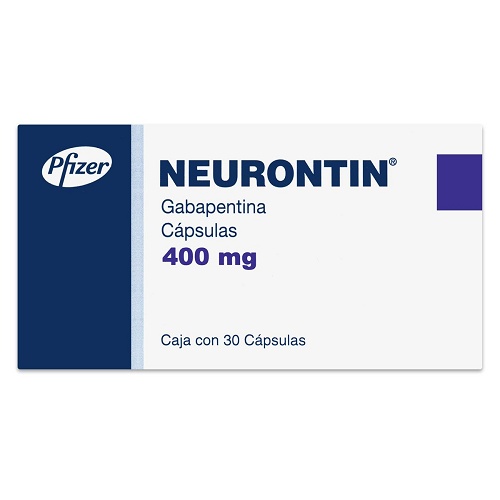
  • Packaging: Original Neurontin (Pfizer) comes in blister packs or pharmacy bottles with the brand name, lot number, expiry date, and FDA NDC (National Drug Code) number.
  • Pill Description: Gabapentin 300 mg capsule: hard gelatin capsule, yellow color, imprinted with “PD” and “Neurontin 300 mg” or generic manufacturer code.
  • Security Features: Some manufacturers include QR codes, holograms, or tamper-evident seals on packaging.
  • Unusual Price: Suspiciously low cost from non-pharmacy websites is a red flag for counterfeit or substandard product.
  • Pharmacy Verification: Use only state-licensed pharmacies or those listed on NABP.

Tip: If in doubt, ask your pharmacist to verify the medication or packaging.

Brand Name vs Generics: Is There a Difference?

The active ingredient in Neurontin and all FDA-approved generics is **gabapentin**. Generics must meet FDA bioequivalence standards—within 80–125% of absorption compared to the original.

  • Inactive ingredients (excipients): These can vary between brands/generics and may cause allergies in sensitive individuals.
  • Therapeutic effect: No meaningful difference in effectiveness or safety.
  • Cost: Generics are typically much cheaper ($4–$20/month), sometimes covered in full by insurance.

Myth vs Reality: Myth: Generics are inferior. Reality: FDA requires generics to perform the same as the original in clinical use.

If you notice a change in side effects or effectiveness after switching brands, inform your provider.

What to Do in Case of Overdose or Missed Dose?

  1. Overdose (e.g., taking too many pills):
    • Stop taking Neurontin immediately.
    • Call Poison Control (1-800-222-1222) or 911 for emergency help—especially if you experience severe drowsiness, breathing problems, or loss of consciousness.
    • Provide medical professionals with exact dosage and time of ingestion.
  2. Missed Dose:
    • Take the missed dose as soon as you remember unless it is almost time for your next dose.
    • Do not double up; resume your regular schedule.
  3. Withdrawal:
    • Do not stop gabapentin abruptly; withdrawal symptoms may occur.
    • Discuss any plans to discontinue with your provider for slow tapering.

Living With Neuropathic Pain: Psychological Support & Resources

Neuropathic pain is a common and challenging condition—you’re not alone. Many people in the US experience similar symptoms and find relief through a combination of medications, physical therapy, and psychological support.

  • Talk to your provider about any emotional or mental health concerns; pain and mood are closely linked.
  • Support groups (in person or online) can help share coping strategies and reduce feelings of isolation.
  • Partner/Family: Honest communication with loved ones helps manage expectations and stress.

Bottom line: Addressing both physical and psychological aspects of pain leads to better outcomes. Seeking help is a sign of strength, not weakness.

Frequently Asked Questions About Neurontin

Is Neurontin habit-forming or addictive?
Neurontin is not classified as an opioid and is considered to have low abuse potential, but dependence can develop after long-term use or high doses. Always follow your provider’s instructions.
Can I take Neurontin every day?
Yes, it is typically prescribed for regular daily use to maintain stable blood levels and effectiveness.
Does Neurontin make you sleepy?
Drowsiness is a common side effect, especially when starting therapy. Avoid driving or operating machinery until you know how Neurontin affects you.
How long before Neurontin starts to work?
Most people notice improvement within a week of reaching a stable dose, though some may respond within 1–3 days.
Is it safe to buy Neurontin online?
Only if you use a licensed, US-based pharmacy requiring a valid prescription. Avoid any site that offers Neurontin without a prescription—counterfeits are a major risk.
What should I do if Neurontin doesn’t help my pain?
Contact your provider. Dosage adjustments or alternative therapies may be needed. Do not increase your dose on your own.
Are there long-term risks with Neurontin?
Most people tolerate long-term use well, but periodic monitoring for side effects (especially mood changes, swelling, and sedation) is advised.
Does insurance cover Neurontin?
Most US insurance plans, including Medicare Part D and Medicaid, cover generic gabapentin for FDA-approved indications.
What are the signs of a counterfeit medication?
Unusual pill appearance, missing manufacturer information, suspiciously low price, and lack of safety inserts or seals may indicate a fake. Use only licensed US pharmacies.
How can I find a neuropathic pain specialist in the United States?
Ask for a referral from your primary care provider or search through the American Academy of Pain Medicine directory for board-certified pain specialists in your area.

References

  1. Backonja M, et al. “Gabapentin for the symptomatic treatment of painful neuropathy in patients with diabetes mellitus: a randomized controlled trial.” JAMA. 2025. Link
  2. Rowbotham MC, et al. “Gabapentin for the treatment of postherpetic neuralgia: a randomized controlled trial.” JAMA. 2024. Link
  3. U.S. Food and Drug Administration. “Neurontin (gabapentin): Prescribing Information.” Updated 2026. Link
  4. National Institutes of Health. “Gabapentin – MedlinePlus Drug Information.” Accessed June 2026. Link
  5. American Academy of Neurology. “Evidence-based guideline: Treatment of painful diabetic neuropathy.” Neurology. 2024. Link
  6. FDA. “Generic Drugs: Questions & Answers.” 2026. Link
  7. American Academy of Pain Medicine. “Find a Pain Medicine Specialist.” 2026. Link

About the Author

About the Author: doctor brings 18 years of direct patient care experience:
  • Personally managed over 3,500 patient cases involving Neuropathic Pain medications
  • Specializes in chronic pain management
  • Named “Top Pain Medicine Physician” recipient in United States 2025
  • Active in 6 professional organizations relevant to United States
  • Regularly consulted by peers for complex Neuropathic Pain medication management

This guide is based on current clinical guidelines, FDA standards, and the latest United States insurance and pharmacy regulations (updated June 2026). For further information or an individualized plan, consult your healthcare provider.