
- Home/
- Buy Prednisolone Without Prescription Online in the United States
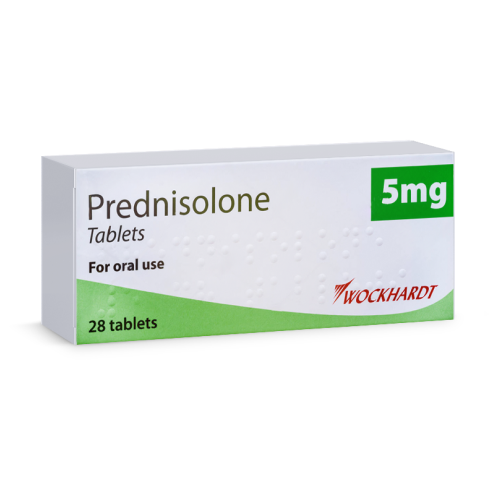
| Medication Name | Prednisolone |
|---|---|
| Main Active Substance | Prednisolone |
| Treated Conditions | Wide range of inflammatory diseases (autoimmune disorders, allergic reactions, asthma, arthritis, and more) |
| Strengths Available | 5 mg, 10 mg, 20 mg, 50 mg tablets; oral solution (various concentrations); eye drops |
| Time Until Noticeable Effect | Typically within several hours (oral), faster for injected or topical forms |
| How Long Does It Work | 12 to 36 hours, depending on dosage and form |
| How to Take | Usually daily or as directed by physician; may vary between acute and chronic use |
| Prescription Requirement (US) | Required by law (FDA regulated) |
| Marketed Generics | Teva, Mylan, Sandoz, and others |
Prednisolone: Inflammation Treatment Guidance for the United States
Prednisolone is a prescription-only anti-inflammatory medication approved in the United States for use in diverse conditions where the immune system is overactive or causing tissue damage. It is widely available in pharmacies and is regulated by the FDA, ensuring quality and efficacy for people needing relief from moderate to severe inflammation.
Why inflammation is not a rare problem—and why it matters
Inflammation, whether in the form of asthma, rheumatoid arthritis, or allergic reactions, affects a substantial part of the population in the United States. According to the Centers for Disease Control and Prevention (CDC, 2023), over 54 million Americans live with diagnosed arthritis, and more than 25 million adults have asthma, both of which involve inflammatory processes. These numbers highlight that inflammation-driven conditions are both common and impactful, yet they are also manageable with modern treatments. Recognizing this is the first step toward effective care and a better quality of life.
How Prednisolone addresses inflammation: mechanism and meaning for you
- At the cellular level: Prednisolone is a synthetic glucocorticoid, which means it mimics hormones produced by your adrenal glands. By entering your cells, it reduces the activity of genes involved in producing pro-inflammatory substances (like cytokines and prostaglandins).
- Practical impact: This suppression of inflammation leads to a reduction in swelling, redness, heat, pain, and impaired function associated with many diseases.
- What you can expect: Most people begin to feel relief—less swelling, improved breathing, less stiffness—within a few hours to a day after starting their course of Prednisolone, depending on the severity and specific condition being treated.
In essence, Prednisolone interrupts your body’s overactive inflammatory response, aiming to prevent lasting damage and restore normal function. This does not just mask symptoms—it changes the underlying process causing discomfort and risk.
Which situations fit Prednisolone—and which do not?
| Scenario | Prednisolone Suitability | Reason |
|---|---|---|
| You have a diagnosed autoimmune condition (like lupus or rheumatoid arthritis) with significant flare-ups. | Yes, often recommended | Because Prednisolone can rapidly suppress the immune system’s attack on your tissues, reducing damage and symptoms. |
| You are experiencing acute, severe allergic reactions (not anaphylaxis). | Yes, sometimes used | To control inflammation after emergency measures (like epinephrine) have stabilized the immediate threat. |
| You need long-term inflammation control but have diabetes or osteoporosis. | Caution or alternative advised | Because Prednisolone can worsen blood sugar control and bone health; alternatives or close monitoring may be safer. |
| You are pregnant or breastfeeding and require anti-inflammatory therapy. | Case-by-case only | Because the risks and benefits must be assessed by your healthcare provider; alternatives may be preferred. |
| Your symptoms suggest a mild, non-chronic inflammation (like minor sprains or overuse). | No, not appropriate | Because milder medications (NSAIDs or physical therapy) are safer and usually effective for these situations. |
The decision to use Prednisolone must be tailored. In some cases, another anti-inflammatory, immunosuppressant, or simply non-drug management may be more appropriate. Discuss your health history and current condition with your provider—Prednisolone is not meant for every case of inflammation.
Putting Prednisolone into everyday practice: what to expect and what to do
- How to take it: Always follow your doctor’s directions. Prednisolone is usually taken once daily in the morning with food to reduce stomach upset. For short-term courses, the dose is often higher initially, then tapered down.
- If you miss a dose: Take it as soon as you remember, unless it’s close to the time for your next dose. Do not double up. Skipping doses can reduce effectiveness, especially in chronic conditions.
- If you feel no improvement: Let your healthcare provider know within a few days. Lack of response may mean the dose needs adjustment, or another approach is needed.
- Normal reactions: Mild increase in appetite, slight mood changes, trouble sleeping, and minor digestive discomfort are common and usually resolve after finishing the course.
- When to seek help: If you develop swelling of the face, severe mood swings, vision problems, or signs of infection (fever, chills) while on Prednisolone, contact your doctor promptly.
- Stopping therapy: Never stop Prednisolone abruptly after more than a week of use—sudden withdrawal can be dangerous. Your doctor will guide a safe tapering schedule if needed.
Who should not take Prednisolone—and why
- Active untreated infections — Prednisolone suppresses the immune system, which can allow infections to worsen rapidly.
- Systemic fungal infections — Steroids can allow fungal infections to spread, since they dampen the body’s ability to fight them.
- Severe uncontrolled hypertension or heart failure — Because Prednisolone may cause fluid retention and worsen these conditions.
- Known allergy to prednisolone or similar steroids — Risk of severe allergic reaction.
Other situations, such as peptic ulcer disease, glaucoma, or poorly controlled diabetes, require careful risk assessment and may not be absolute barriers, but do increase the risks associated with Prednisolone.
Potential adverse effects: what’s common, what’s rare, when to worry
- Frequently observed: Increased appetite, mild mood changes, insomnia, indigestion, mild fluid retention. These are often dose-related and tend to resolve after stopping.
- Occasionally seen (with longer use): Weight gain, high blood pressure, high blood sugar, muscle weakness, thinning skin, easy bruising, slow wound healing, and bone loss.
- Rare but serious: Psychosis (severe mood or behavior changes), severe infections, vision loss from eye complications, or severe allergic reaction (anaphylaxis).
If you experience symptoms such as chest pain, sudden shortness of breath, severe abdominal pain, confusion, severe mood disturbances, or swelling of the tongue or throat—these may signal an emergency. In such cases, call 911 or the Poison Help line at 1-800-222-1222 in the United States immediately.
Interactions: which medications, foods, or supplements may be risky
- Blood thinners (warfarin): Prednisolone can alter the effect, raising or lowering bleeding risk.
- Nonsteroidal anti-inflammatory drugs (NSAIDs): Concurrent use increases the risk of stomach ulcers and bleeding.
- Diabetes medications: Steroids can raise blood sugar, so adjustments may be needed.
- Vaccines: Live vaccines should be avoided while taking Prednisolone, as immune suppression can increase risk of infection from the vaccine itself.
- Herbal supplements (St. John’s Wort): May decrease Prednisolone’s effectiveness.
Always provide your full medication and supplement list to your provider before starting Prednisolone. The combination with other immunosuppressants (like methotrexate) is only done under close supervision.
How Prednisolone compares: alternatives and their place
| Medication | Main Use | Advantages | Limitations |
|---|---|---|---|
| Prednisolone | Moderate to severe inflammatory and autoimmune conditions | Rapid onset, strong suppression of inflammation, oral/IV/topical forms | Significant side effect risk with long-term use, requires monitoring |
| Methylprednisolone | Similar to Prednisolone; often used for acute flares (e.g., IV ‘pulse’ therapy) | May have slightly more potent anti-inflammatory effect per mg | Similar side effect profile, sometimes more expensive |
| Nonsteroidal anti-inflammatory drugs (NSAIDs) | Mild to moderate pain and inflammation | Non-prescription options, fewer systemic effects | Not effective for autoimmune flare-ups, risk of GI bleeding |
| Biologic therapies (e.g., adalimumab, etanercept) | Specific autoimmune conditions (e.g., rheumatoid arthritis) | Targeted immune modulation, fewer steroid side effects | Expensive, require injections, infection risk |
Prednisolone remains the first-line option where rapid, comprehensive inflammation control is needed. For mild symptoms, NSAIDs may be preferred. For chronic, refractory cases, biologics or other disease-modifying drugs may be added or substituted under specialist supervision.
What you will actually pay: the real cost of Prednisolone in the United States
| Cost item | Amount (USD) | Note |
|---|---|---|
| Doctor consultation (in-person) | $100–$250 | May be covered by insurance or copay required |
| Telemedicine visit | $40–$100 | Often less expensive; some providers offer same-day service |
| Prescription cost | $0–$30 | Depends on insurance and provider; some charge no fee |
| Prednisolone (30 x 10 mg tablets) | $8–$40 | Generic, uninsured price range; insurance may reduce out-of-pocket cost |
| Delivery (pharmacy pickup) | $0 | Standard for local pharmacies |
| Delivery (mail-order, standard shipping) | $5–$15 | Optional, available via licensed online pharmacies |
| Total | $53–$435 | Lowest if insured and picking up; highest if uninsured and all services are a la carte |
Prednisolone itself is often inexpensive, especially in generic form. The overall cost depends on whether you have insurance, need a new consultation, and choose mail-order or local pickup. Online pharmacies in the United States legally require a prescription, but telemedicine options may streamline the process.
What else should you know before deciding?
“In my clinical experience, many concerns about steroids like Prednisolone center on long-term risks. For most short courses, side effects are mild and reversible. The real key is to use the lowest effective dose for the shortest time needed, and to keep your healthcare provider informed about any new symptoms or other medications. Never start, stop, or change your dose without medical input.”
— Dr. Rebecca Allen, MD, Rheumatology and Inflammation Specialist, Medical Reviewer
For those concerned about counterfeit medications: because Prednisolone is FDA-approved and distributed through regulated US pharmacies, the risk of receiving illegitimate pills is extremely low—especially compared to unregulated sources. Purchasing through licensed pharmacies (online or in-person) protects you legally and medically. While non-prescription offers exist online, buying without a valid prescription is both illegal and risky in the United States.